


Technologies
Recyclone® EH
Recyclone® EH
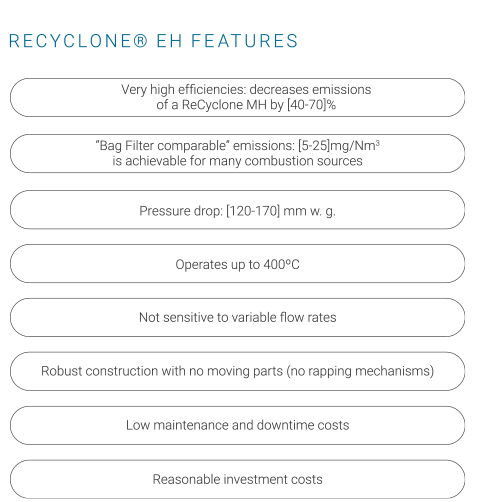
Recent adoption of electrostatic recirculation in the same cyclone system has successfully proven to further reduce particle emissions, even in the [1;5]μm particle size range, assuring future regulation compliance, particularly where legal limits are very strict.
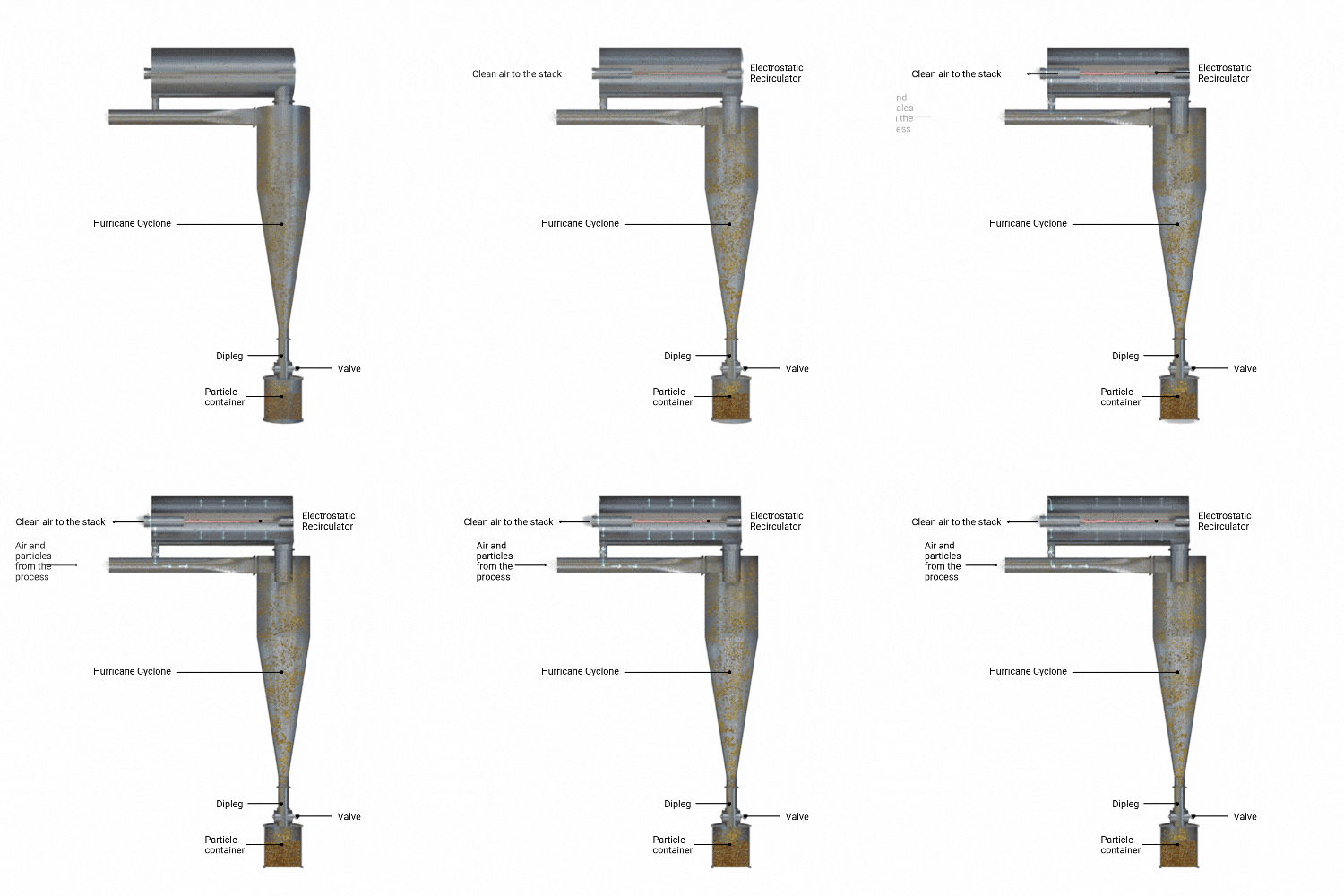
A DC high voltage is applied to the recirculator, allowing the recirculation of very fine nanometric particles, more resistant to centrifugal forces, to the cyclone collector. After having been separated in the recirculator and concentrated in the recirculation flow, electrically charged fine particles are attracted by the cyclone walls, while agglomerating with larger particles entering the system – both promoting their easier capture.
Since particles are not captured on the walls of the recirculator, contrary to ESPs, ReCyclone® systems avoid the problem of dust accumulation and condensation.
Additionally, ReCyclone® EH systems have low sensitivity to either low or high dust electrical resistivity while the high voltage required power is only 10 to 15% of that used in ESPs.
L Solé
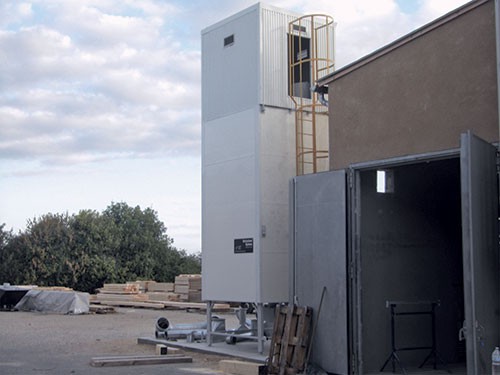
Recyclone® EH for fly ash PM emission control of a grate type biomass boiler, placed after multicyclone/cyclone pre-separator.
Gas flow: 3 900m3/h at 180°C | Type of Particles: Pine residues fly ashes | Emissions: <30mg/Nm3 at 11% O2
Bozel
Recyclone® EH Pilot System for PM emission control of a CaSi kiln.
Gas flow: 11 300m3/h at 150°C | Type of Particles: Casi | Emissions: <100mg/Nm3

Innovnano
ReCyclone® EH system for recovery of nanoparticles of metal oxides (ZnO) placed downstream of a reactor. The objective was to replace an existing wet scrubber in order to increase efficiency with a completely dry system.
Gas Flow: 260m3/h at 80˚C reactor | Efficiency: 90-96%
Plateau ASP
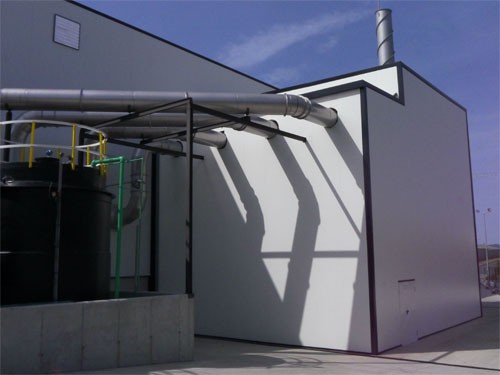
ReCyclone® MH convertible to a ReCyclone® EH for fertilizer dust emission control after a tunnel dryer.
Gas flow: 50 400m3/h at 40°C | Type of Particles: Animal fertilizer dust | Emissions: <40mg/Nm3
Steel and Ferroalloys
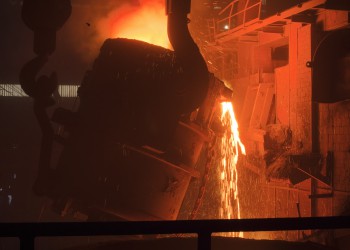
Regular cyclones and multicyclones have many operation advantages but typically fail to meet the current emission standards due to the fineness of the particles.
Glass and Ceramic
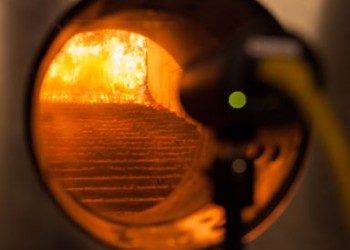
The manufacture of glass and ceramics demands highly efficient dust and fine particle separation at multiple stages to maintain product integrity.
Biomass and Coal Combustion
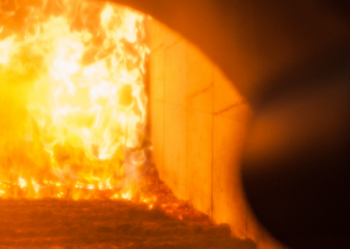
Pre-separation is especially important to remove the coarser dust which is richer in Silica (SiO2). This is the case of several types of biomasses, such as Forestry Residues, Palm Shell, Empty Fruit Bunch, Rice Husk, and many types of coal.
Chemicals
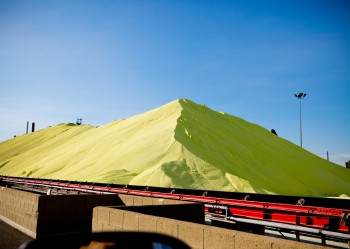
Particle separation is required for the production and processing of a wide variety of distinct products in organic and inorganic chemical powders.
Nanoparticles
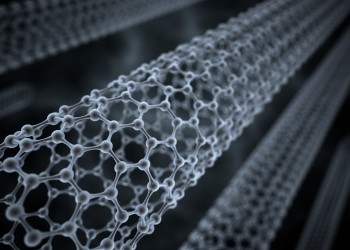
Nanoparticles are tiny particles with dimensions measured in nanometers, exhibiting unique properties for drug delivery, electronics, and cosmetics.