


Application Area
Emission Control
High-Efficiency Cyclone Systems for Emission Control
Particulate matter (PM) emission control is a major challenge for industries that use boilers, incinerators, furnaces, kilns, and dryers. These processes are used in energy production, and to manufacture products like ceramics, cement, and pellets. There are several reasons why companies want to reduce PM emissions:
-
Comply with stack emission limits: Regulations set limits on the amount of dust that can be released from smokestacks.
-
Prevent particle carry-through: Dust can damage industrial equipment or contaminate products in downstream processes.
-
Clean ambient air: Using Industrial Cyclone Air Systems to capture dust, improves air quality for workers and the surrounding environment.
Advantages of Cyclone Air Filters
Cyclone air filters offer numerous advantages that make them an excellent choice for various industrial applications:
-
Wide range of operating conditions - Unlike other dust collectors, such as bag filters, cyclone air filtration systems can handle high temperatures, pressure, and moisture.
-
Low maintenance - The simple design of a cyclone dust separator kit, with no moving parts, means significantly lower maintenance costs compared to other industrial filtration systems.
-
High efficiency - ACS's innovative cyclone technology dramatically improves cyclonic filtration efficiency, often eliminating the need for additional final filters.
FAQ’s
What are the benefits of using cyclones for emission control?
Cyclones offer a range of advantages for emission control, including simplicity and durability due to their robust design with minimal maintenance, cost-effectiveness through lower manufacturing and maintenance costs, versatility in handling a wide range of operating conditions, and high efficiency with advanced designs for PM removal.
What applications are suited for Advanced Cyclone Systems' solutions?
Advanced Cyclone Systems' solutions are tailored for various industries, including biomass combustion and drying, pyrolysis and gasification, high-temperature separation, mineral processing, steel and ferroalloy production, and fuel oil combustion.
What makes Advanced Cyclone Systems' cyclones unique?
Advanced Cyclone Systems employs innovative simulation models to design custom, high-efficiency cyclones for optimal performance in specific applications, taking inter-particle agglomeration into account.
Where can I learn more about Advanced Cyclone Systems and their solutions?
ACS has 3 main technologies for any specific purpose: Hurricane Cyclone, Recyclone MH, and Recyclone EH.
Application Areas of Cyclone Air Filtration - Emission Control
Learn more and explore the various application areas and industries where our cyclones can make a difference.
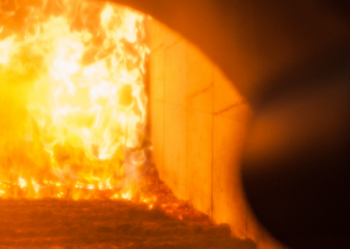
Biomass and Coal Combustion
Pre-separation is especially important to remove the coarser dust which is richer in Silica (SiO2). This is the case of several types of biomasses, such as Forestry Residues, Palm Shell, Empty Fruit Bunch, Rice Husk, and many types of coal.
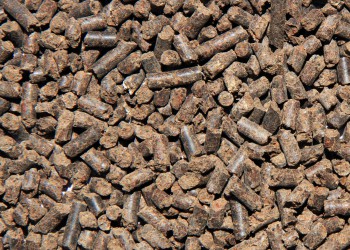
Biomass Drying
The drying of biomass is common to many industries, including wood pellet making, panel boards, and many others, from coffee to olive oil or animal feed.
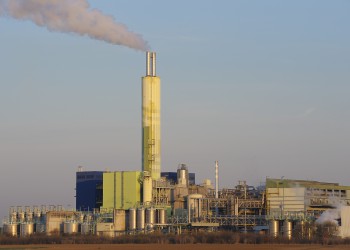
Pyrolysis & Gasification
Pyrolysis and gasification are both thermal decomposition processes used for energy production and material recovery.
High Temperature Separation Processes
Separating particles from the air at high temperature serves multiple needs from thermal energy recovery to improving the economics of power plants.
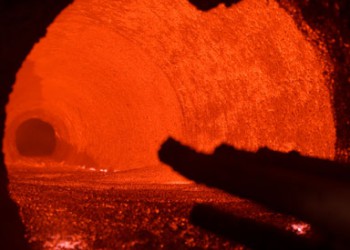
Calcination and Mineral Processing
Calcination is a process that involves heating a substance at high temperature with limited supply of air or oxygen to remove volatile components.
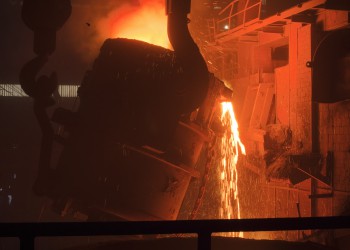
Steel and Ferroalloys
Regular cyclones and multicyclones have many operation advantages but typically fail to meet the current emission standards due to the fineness of the particles.
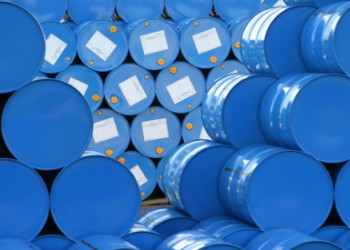
Fuel Oil Combustion
Fuel Oil Combustion (Heavy Fuel Oil, Light Oil and others) releases particulate matter (PM) to the atmosphere, polluting the surroundings and harming human health.
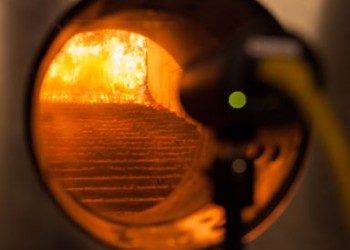
Glass and Ceramic
The manufacture of glass and ceramics demands highly efficient dust and fine particle separation at multiple stages to maintain product integrity.
Oil & Gas and High Pressure Applications
Black powder in gas pipelines is a pervasive solid contaminant in natural gas transmission and distribution systems worldwide.